Rugby Union
Rugby Union Equipment Essentials for Every Player
Protective Gear for Safer Play
Choosing the right rugby union equipment is important for both safety and performance. Protective gear helps reduce the risk of injury during tackles, scrums, and fast contact situations. The most common items include mouthguards, headguards, shoulder pads, and padded shorts. A mouthguard is especially important because it protects the teeth, jaw, and gums. Headguards can help lower the chance of cuts and ear damage, while shoulder padding gives extra support during impact. Players should always look for gear that fits well, feels comfortable, and meets official safety standards. Poorly fitted equipment can be uncomfortable and less effective.
Footwear and Clothing for Match Day
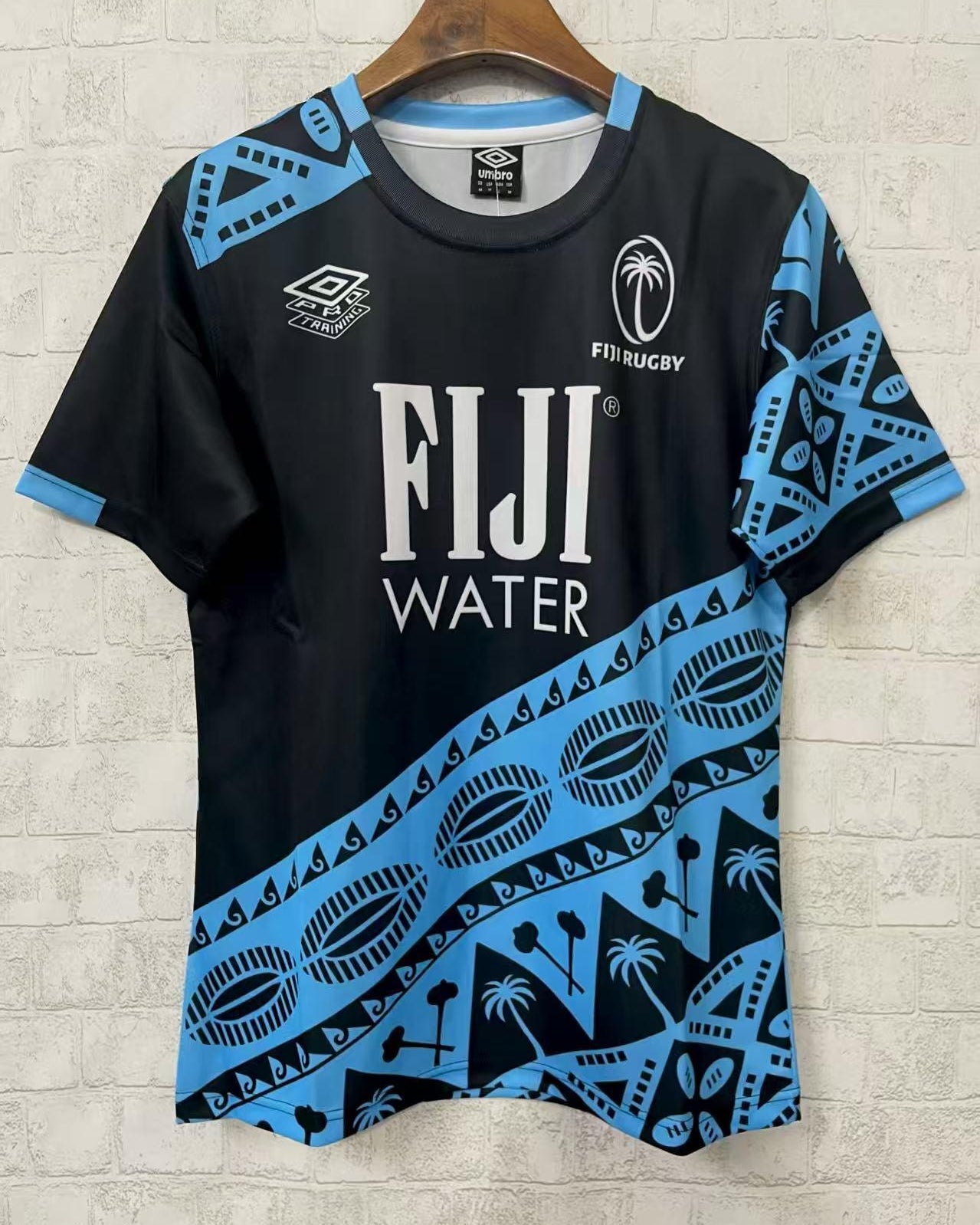
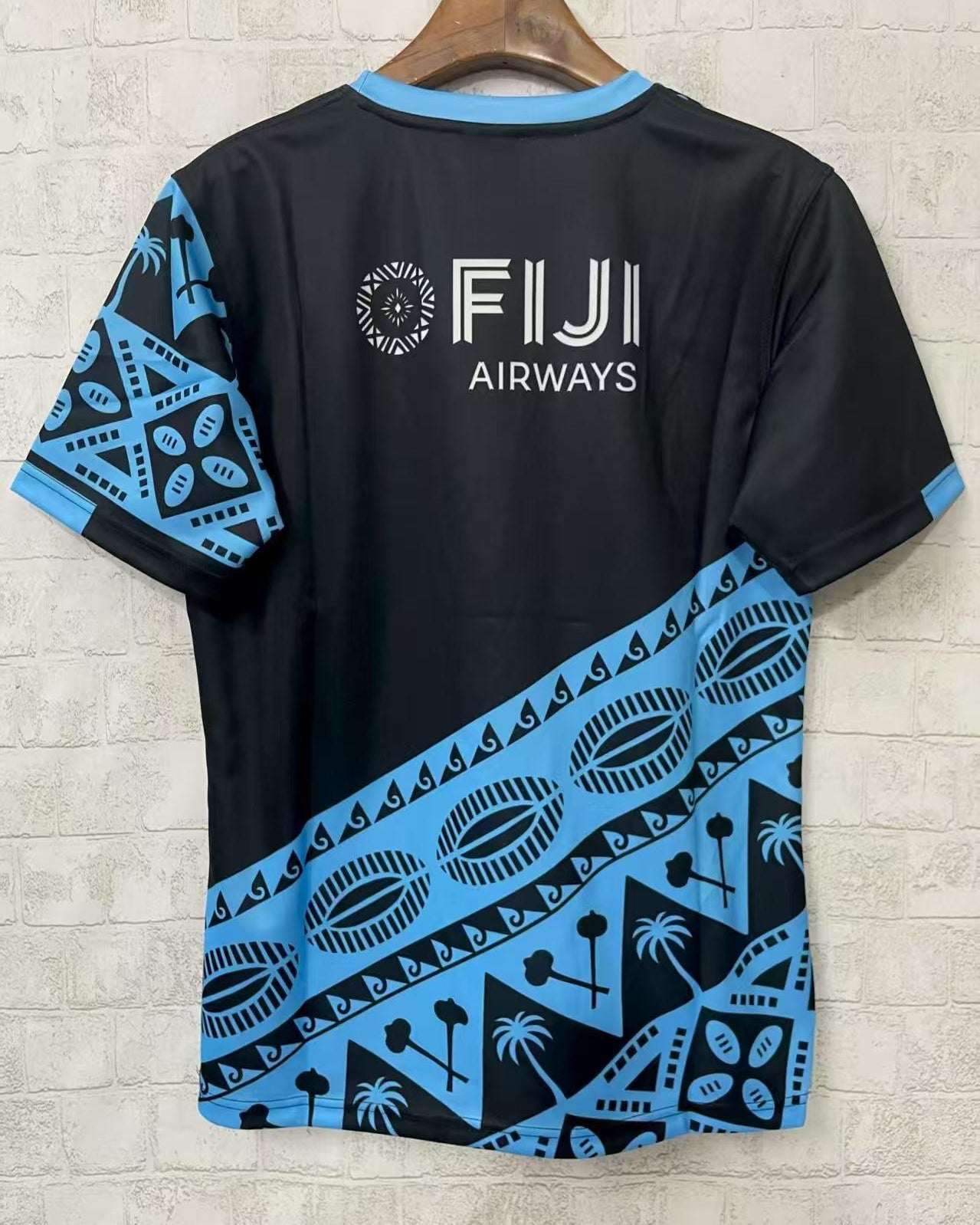
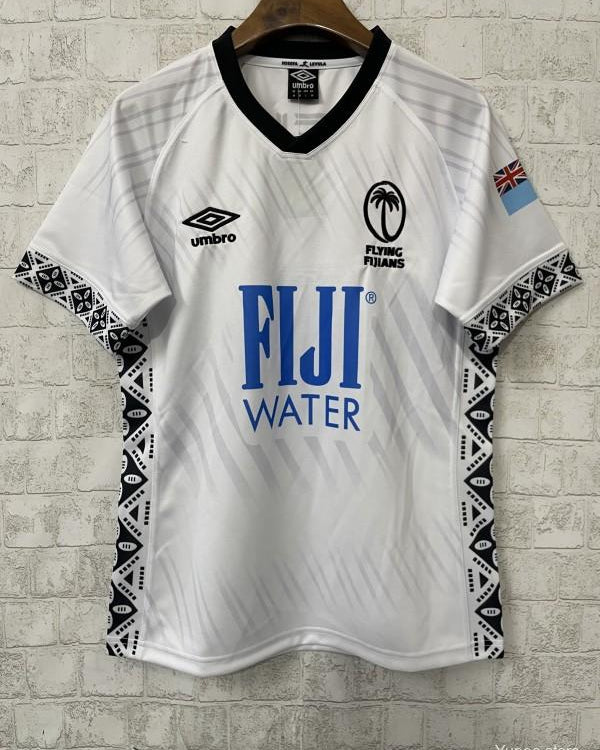
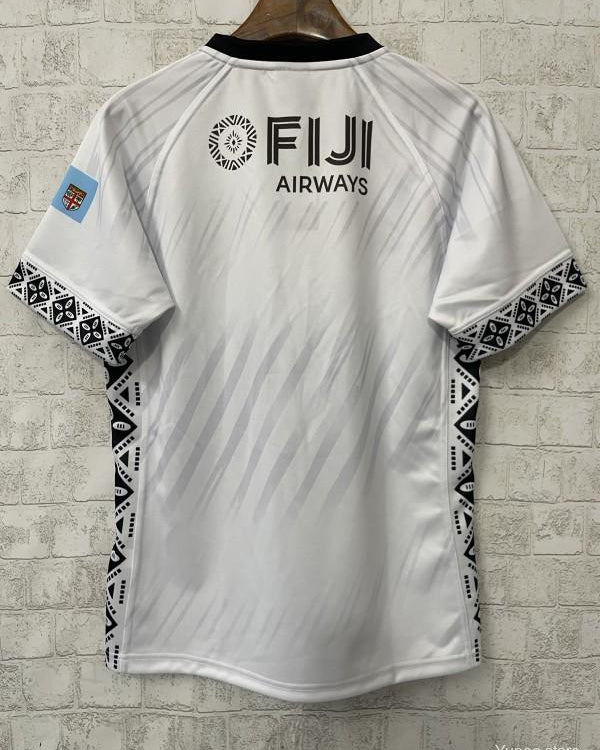
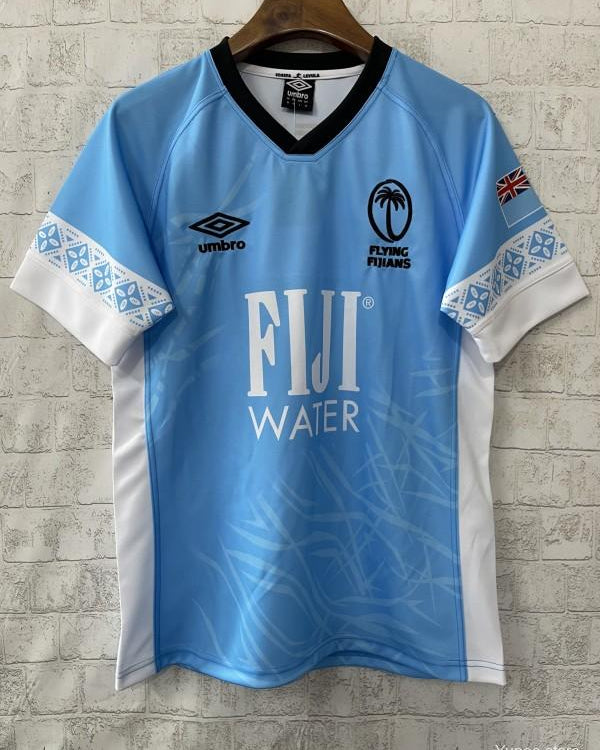
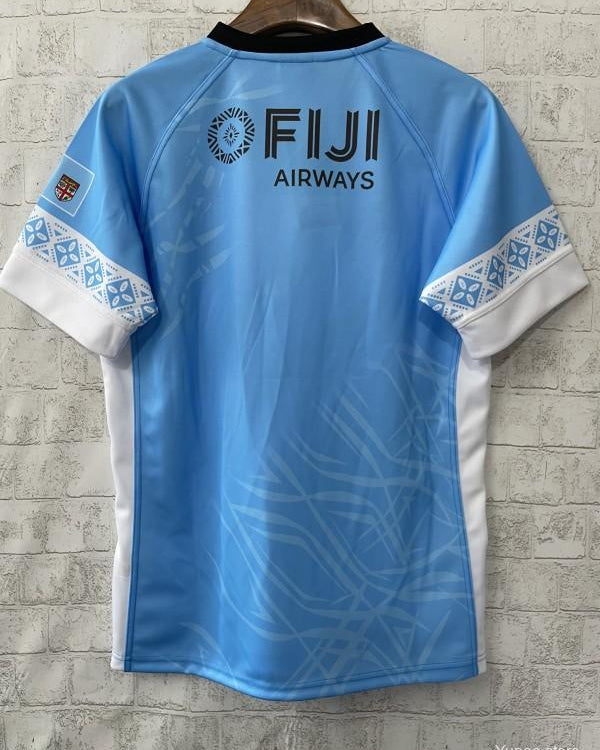
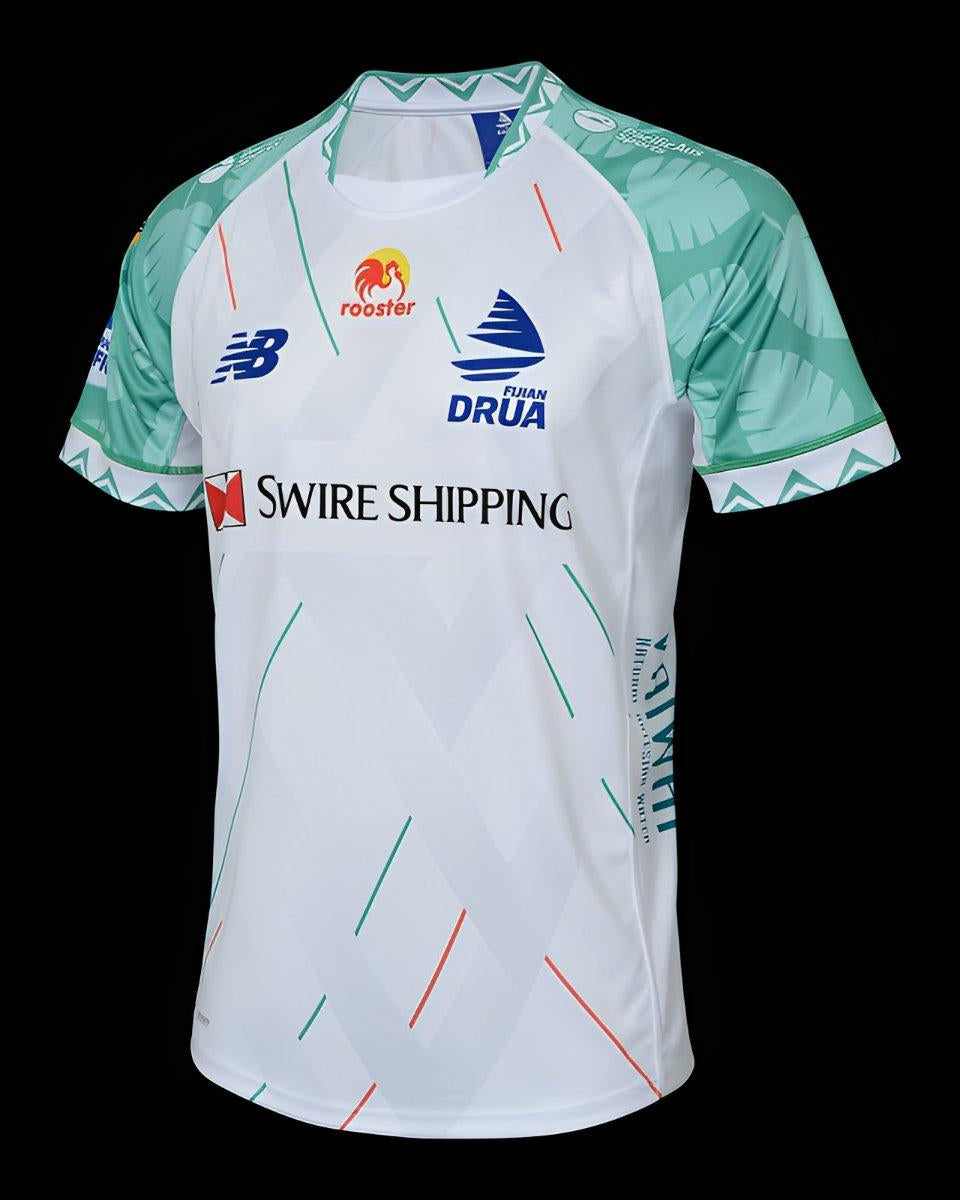
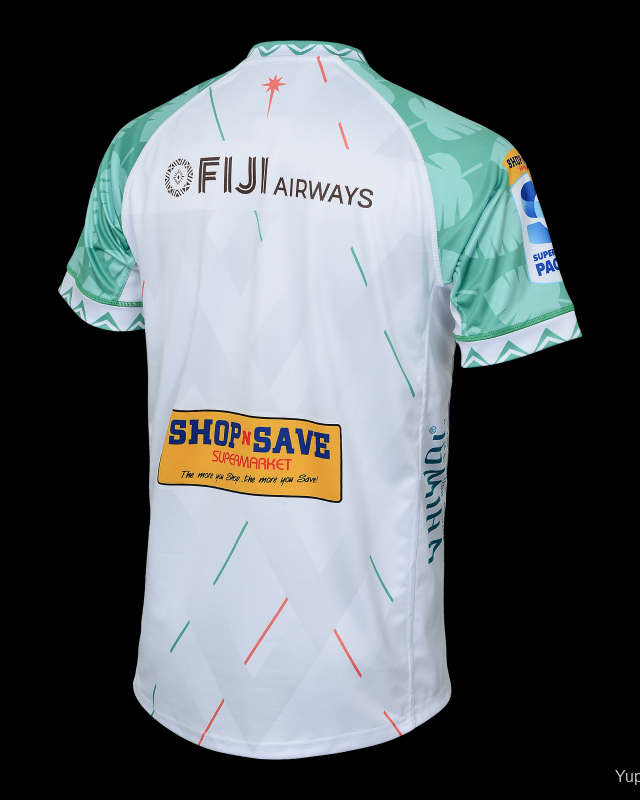
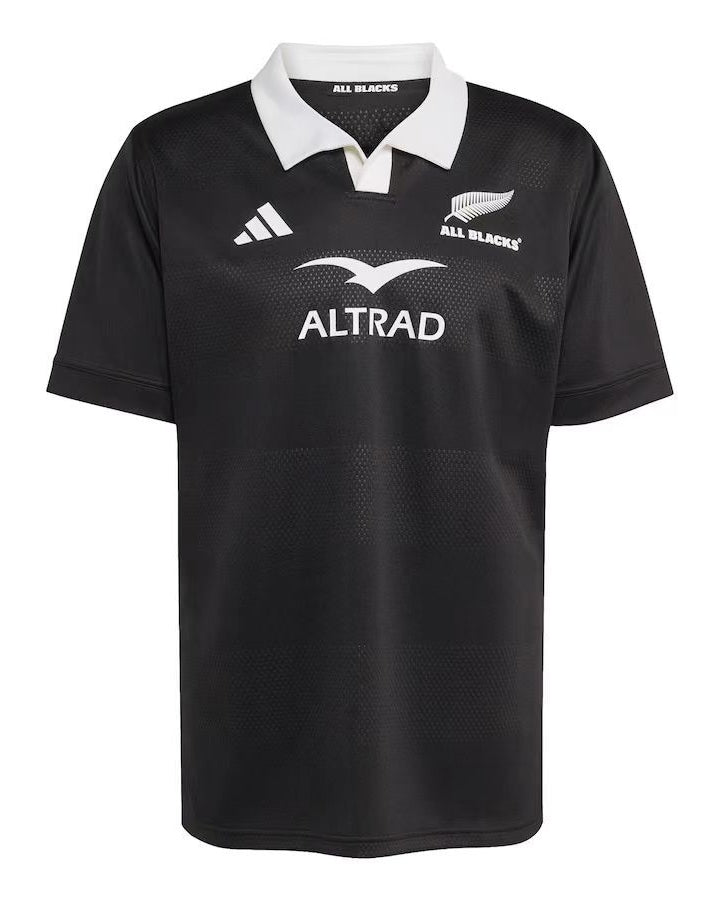
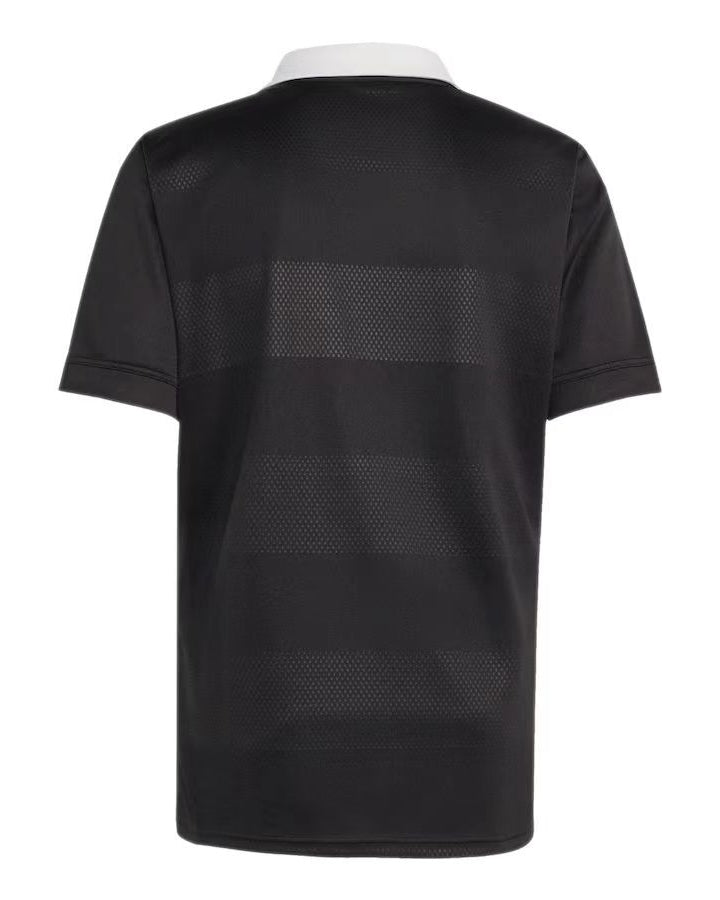
Rugby union equipment also includes the right footwear and clothing, which can make a big difference on the field. Rugby boots are designed to give grip, support, and stability on grass or synthetic surfaces. Players often choose boots with the right stud type based on field conditions and their position. Clothing should be durable, flexible, and able to handle tough physical play. A good jersey, shorts, and socks allow movement without restricting speed or strength. Moisture-wicking fabrics are also helpful because they keep players cooler and more comfortable during long matches. The right match-day clothing supports performance while standing up to repeated contact.
Training Equipment and Game Preparation
Training tools are an important part of rugby union equipment because they help players improve skills, fitness, and confidence. Cones, tackle bags, kicking tees, and resistance gear are often used in practice sessions. These items help players work on passing accuracy, tackling technique, speed, and overall conditioning. For teams, training equipment supports structured drills and safer contact practice. A kicking tee is useful for goal-kicking practice, while tackle bags let players rehearse contact without the same level of risk. Good preparation with quality training gear can improve match performance and help players build strong habits before game day.
Choosing Equipment That Fits Your Level
Not every player needs the same rugby union equipment, so it is smart to choose gear based on age, skill level, and playing position. Beginners may need basic protective items and durable boots, while advanced players often invest in specialized gear for added comfort and performance. Youth players should use equipment that is sized correctly and approved for their age group. Coaches and parents should check that gear offers proper protection without limiting movement. It is also wise to replace damaged items quickly, especially mouthguards, boots, and protective padding. The best rugby union equipment supports safe play, helps athletes perform well, and lasts through the demands of the sport.